Practice
PEDAL is a research-into-practice laboratory: What we study and what we do are a loop. Here’s the practical side of the lab — courses, curricula, production, and campus initiatives.
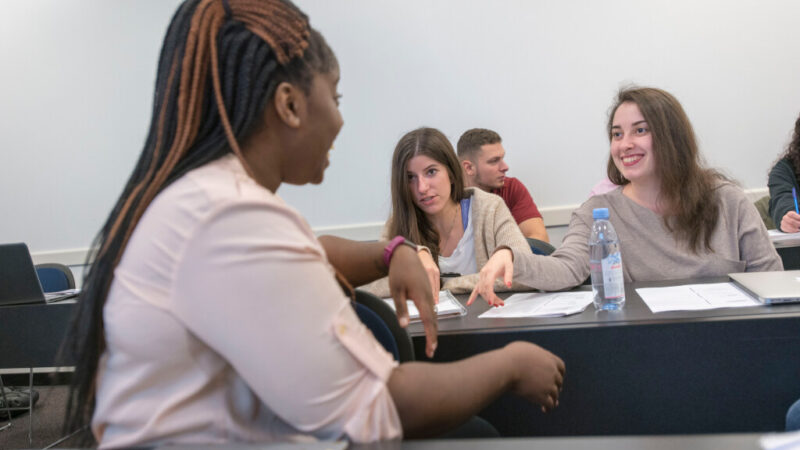
Why can't we talk to each other anymore? That's the question a group of UConn faculty seek to address with the development of the new university Dialogue Competency. Through dialogue-focused courses, students learn to engage in focused communicative built on reflection, careful listening, curious questioning, and attention to context. The goal here is not persuasion, but a better understanding of one another and a greater ability and willingness to engage across difference. PEDAL is a leader in this work, running the university's largest pilot of the competency through COMM 1000, where 1,980 students will complete dialogue-focused coursework across the 2026-27 academic year. We're collecting plenty of data, too.
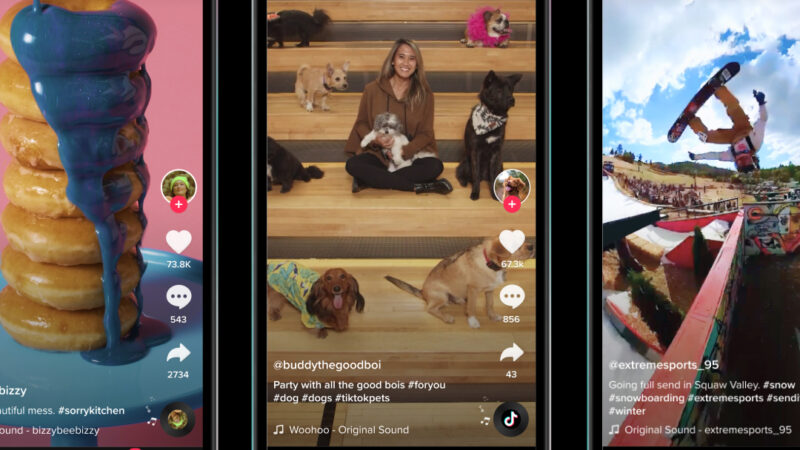
PEDAL's Laura Uzar is recognized for her innovative teaching activity at NCA 2026, listed as one of the Top Submissions in the Great Ideas for Teaching Students (G.I.F.T.S.) category. In "Training the Feed," students collaboratively “train” a new TikTok account by making five guided interactions per class, with each student choosing how to engage. Over time, the class observes how their collective actions shape the algorithm. The exercise helps students understand platform affordances, algorithmic curation, and how echo chambers and filter bubbles emerge, while encouraging critical reflection on their role in constructing personalized media environments.

For Fall, 2026, we've been exploring one of our central topics, The Communication of Emotion, with a group of Honors First-Year Experience students at UConn. This 1-credit course splits its time between helping students adjust to college life and exploring one focal topic in greater detail. In our section, we've dug into the themes that shape PEDAL, thinking about how teaching and learning is an emotional and relational process. Above, you'll see the course LMS image, which was drawn by Dr. Ross Buck for his final book, Emotion: A Biosocial Synthesis.
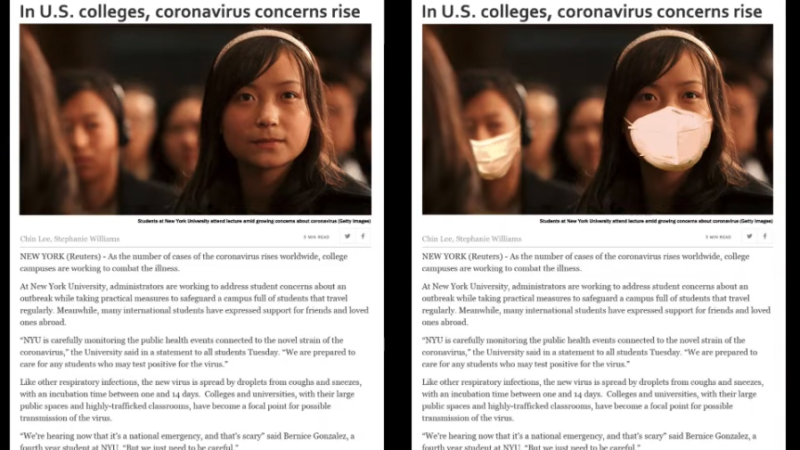
PEDAL often designs, shoots, voices, and edits its own experimental video stimuli, drawing on the same principles we teach in our department's multimedia production courses. When we rely on results from multimedia experiments, we depend on those experiments showing believable, realistic renditions of the very things researchers set out to test. This work creates a space in the research operation for students trained in production and design, a critical mixture of art and science. Want to see our philosophy for this work? Click to see Steve Stifano's public talk, "Multimedia Stimulus Design: Thinking Methodologically and Creatively."
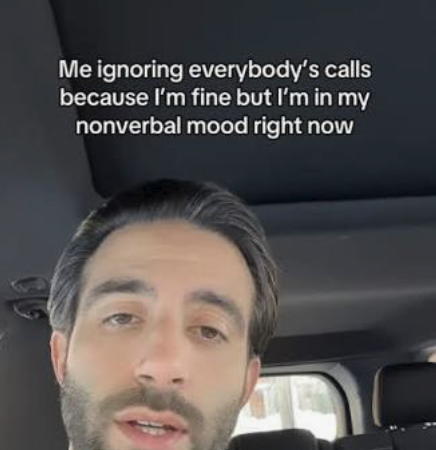
Presenting at NCA 2026, this activity is designed to help students find practical examples of nonverbal communication behaviors and the six basic emotions in a space where they're very likely to see them regularly: In short-form video content on popular social media sites such as TikTok, Instagram, and YouTube. The activity is paired with numerous questions to prompt discussion and foster a more nuanced understanding of nonverbal communication and emotion.